Tags
Beauty, f scott fitzgerald, john keats, literature, love, ode to a nightingale, poem, poetry, prose, romanticism, writing

Good poetry speaks for itself. What is there to say about John Keats’ “Ode to a Nightingale” that hasn’t already been said, by generations of scholars, writers, readers? Very little. So, instead of launching into a serious academic essay, I will elaborate on the personal significance of this well-known and loved Keatsian masterpiece.
I am drawn to Keats’ romantic portrait of anguish, longing, melancholy, and regret because these feelings—very human and relatable ones—are endowed with great beauty, like a well-executed, melodramatic painting of a man who, because of his suffering soul and inevitable mortality, is clutching his chest in pain, eyes squeezed tight, weeping soundlessly. This is precisely what I envision upon entering Keats’ realm of meadows, rivers, mossy ways, musk-roses, dryads and melodious aves. Nowhere is this world more apparent or romantically depicted than in “Ode to a Nightingale”. A case can be made for “La Belle Dame sans Merci”, but the former is unsurpassable.
‘Oh, dear reader, this is just my cup of tea!’ is too mild a phrase to capture the way dreamy descriptions of nature and apt depictions of mood, entwined with place, ignites my flammable soul the way fire does gasoline, speeds up my heartbeat and calms by mind like ecstasy and heroin rolled into one. So, reader, believe me when I say such literary accomplishments are to me the elixir of life, rare, utterly delectable, fatally addictive and usually (thankfully) only found in small doses: one sentence in a passage, one passage in a chapter, one poem in a collection. They say love is a drug. So is literature (and all of art, for that matter).
And it gets better: the poem’s subject matter is even more poignant than its mood and setting. The titular nightingale is the star of the poem and, more importantly, the catalyst for the poet’s anguished cries. He is deeply moved by this winged songstress of the woods, so much so that its music has become divine in his ears while the bird itself assumed immortality in his mind. In comparison, he realises, he himself remains hopelessly mortal, another human bound for death. Thus he laments the transience of life, namely the inevitability of old age, illness, and death, along with the fleeting nature of beauty, doomed to fade; he even contemplates dying an easeful, self-indulgent death while being serenaded by the nightingale:
Darkling I listen; and, for many a time I have been half in love with easeful Death, Call’d him soft names in may a mused rhyme, To take into the air my quiet breath; Now more than ever seems it rich to die, To cease upon the midnight with no pain, While thou art pouring forth thy soul abroad In such as ecstasy!






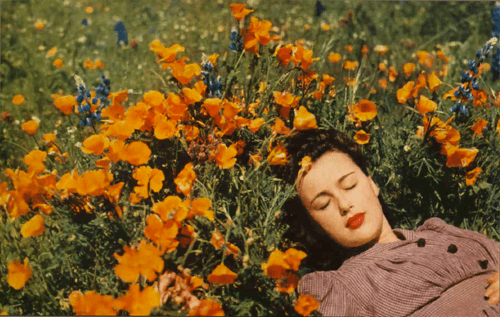 There is a carpark opposite my apartment, and a grassy plot of yet-to-be-developed land beyond it. The houses had been torn down many years ago, and for a while it seemed I was doomed to face an ugly patch of soil and debris whenever I stood on my balcony and gazed down. Ungifted at natural science, I deemed the land infertile. Nothing will ever grow on such a barren piece of land, I thought. Nature, she who wields the wind and rain, thought otherwise. So did the Australian sun. Slowly but surely, patches of grass began to grow. Soon, it had covered the whole fenced-off, apartment-sized square. Then, miraculously, trees started growing. Over a year later, these trees are still small, barely taller than your typical shrub, but they are thriving. And sometimes, flowers bloom on trees, don’t they? Yay or nay, this knowledge is to play a part in the hilarious incident I am about to relate to you; its partner in crime is my terribly shortsighted vision. One day, when brushing my just-washed hair while standing on the balcony sans glasses, I noticed that big, bright orange flowers had appeared on one of the trees, unbeknownst to me until then (or so I thought). I was delighted, but thought little of it once I reentered my living room and became preoccupied with the humdrum chores of daily life. I had forgotten all about those ‘orange flowers’, and would have went on believing that they were indeed what I thought they were — made of petals, pollen and seeds — if I never saw them clearly, with my glasses on. This is precisely what happened yesterday. Exhausted from the glow of my laptop screen and the rigidness of my chair, I decided some fresh air would be good and stepped out to the balcony. I took a deep breath, looked at the clear sky above, the church buildings on the side, and the grassy land in front with the growing trees, one of which is bearing flowe–wait. Hold on a second, it can’t be—is that what I think it is, filling the gaps between the leaves from where I stand? A discarded, corrugated iron-looking piece of orange construction thing lying right behind the tree in question? In a way that makes it look like orange flowers on the tree because parts of it are hidden by the tree’s leaves and others, blossom-sized parts, not? Yes, my corrected eyes and common sense said, yes of course it is, you daft. You mistook an ugly, manmade thing for nature, said the melodramatic overthinker in me. What’s more, it continued, the object is used to construct buildings, which destroy nature. How ironic. How wonderful though, to have mistaken such a thing for nature’s work of beauty, gushed hope. The writer in me began typing.


 the rose garden