• About
  • Beauty
  • Petit Passages
  • Notes
  • Conversations
  • Letters
  • Reviews
  • Opinion
  • Contact

the rose garden

the rose garden

Tag Archives: poem

In defence of art

09 Tuesday Aug 2016

Posted by Betty Zhang in Opinion

≈ Leave a comment

Tags

art, arts, Beauty, books, culture, literature, love, music, poem, poetry, prose, world, writer, writing

Bowie-1975-e1452703772242.jpg

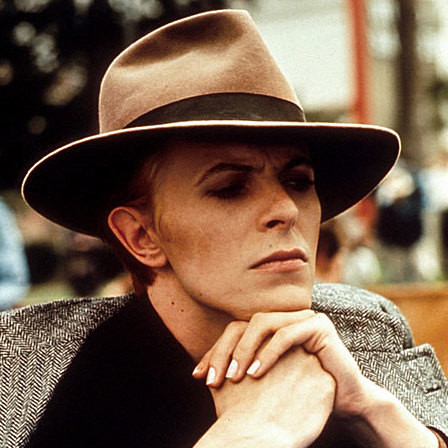
Architects design buildings, which are then built and maintained by builders, plumbers, and electricians. These buildings provide necessary living and working spaces for residents and professionals who, in turn, contribute to their society and economy. Politicians govern, lawyers defend, doctors save lives, businesses of all shapes and sizes provide essential goods and services. Scientists, physicists, engineers, and astronomers brought humanity to the moon. The world as we know it will not cease to exist without art and its practitioners but without moonage daydreamers, boy wizards, star-crossed lovers and those whose passion or profession it is to observe, think, analyse, and create, Earth is merely that which orbits the Sun, a celestial body where the passage of time is marked by births, deaths, and unexamined lives.

So here’s to poems about nature and beauty, songs about love, books that changed the world, and paintings that bewitch with their illusions of light and movement; here’s to films that enchant and inspire, to great teachers and their scholars, to thinkers, poets, writers, artists, composers, musicians, directors—to anyone who immortalised their human experience in art form.

Share this:

  • Click to share on X (Opens in new window) X
  • Click to share on Facebook (Opens in new window) Facebook
Like Loading...

Sorry

02 Tuesday Aug 2016

Posted by Betty Zhang in Petit Passages

≈ Leave a comment

Tags

anxiety, books, health, life, literature, poem, poetry, prose, thoughts, writer, writing

book-flatlay

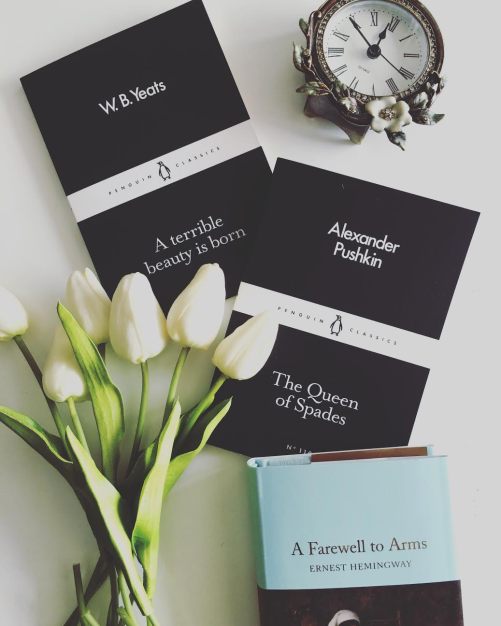
‘Sorry,’ I said to the cashier at the art store because I took too long to grab my bags, of which I was carrying four. And I was sorry. ‘Sorry,’ I said again on my way out, because the shop was crowded with shelves and people and I was carrying one too many bags. I did not bump into anyone or knock anything off but still I was sorry for the time and space I took when exiting. And I was sorry many times before then because the aisles were narrow and I had to get through or somebody else had to get through, either way I was sorry I troubled the other shoppers. I went to a thrift shop next and I was sorry there too, sorry for the fact that the shirt I tried on did not suit me, sorry that I did not make a purchase and they have to put it back. ‘Sorry, that’s okay, thank you so much,’ I managed, this time at the music store, because the clerk could not locate the vinyl I wanted. I was sorry that he tried for me and wasted his time when he could be doing something else. Then I was sorry I was sorry because I had started to feel real bad for myself, because the only reason I kept apologising was this—this idea that I was unworthy of their services, someone who did not deserve their products or anything for that matter. And Uber—the convenience of it all and the patience of that particular driver—had me sorry too, four times if I remember it correctly: twice for having too many bags and twice more for being confused as to where he was parked; and he did not know this but I was sorry for seating at the back too, I would have ridden shot gun had I fewer bags to carry but he probably thought I was protecting myself from him. I was sorriest when I got home and looked at all that I had bought because I thought I did not deserve them. But later that night when I was well-rested and the boulder of existence lifted from my chest new copies of Hemingway, Pushkin and Yeats were read and felt and understood and I was not sorry anymore, I was soaring.

Share this:

  • Click to share on X (Opens in new window) X
  • Click to share on Facebook (Opens in new window) Facebook
Like Loading...

On plurality, a symptom of the human condition

26 Tuesday Jul 2016

Posted by Betty Zhang in Opinion

≈ Leave a comment

Tags

human condition, life, literature, poem, poetry, postmodernism, prose, thoughts, writer, writing

andy warhol.jpg

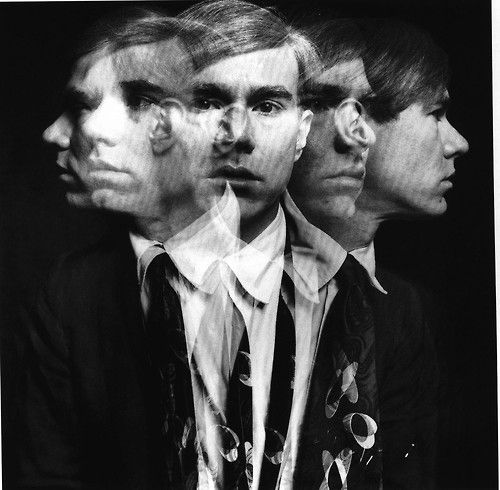
We are nothing if not plural, in our daily dalliances with plural others who, just like us, adjust their persona to suit different situations, places, and peoples.

We are nothing if not plural, when we say one thing yet behave otherwise; we attempt to reduce ourselves to absolutes in the hopes that by conveying a singular self to another they’d understand our ‘true’ selves but how could they, when we are all complex and contradictory beings struggling to make sense of ourselves, of which there are many?

We are nothing if not plural, yesterday today and tomorrow, for people change and no-one goes from birth to death unmarked by life, by others, by themselves.

We are plural, you and I, so let us not confine ourselves to forced categories and false pretences out of fear of not being understood. Let us run free and admit that we are nothing but inconstant, temperamental: multiple versions of a work in progress until we expire.

Share this:

  • Click to share on X (Opens in new window) X
  • Click to share on Facebook (Opens in new window) Facebook
Like Loading...

Ode to a Nightingale: beauty, mortality, and the influence of John Keats’ romantic poetry on F. Scott Fitzgerald

21 Monday Mar 2016

Posted by Betty Zhang in Beauty

≈ 5 Comments

Tags

Beauty, f scott fitzgerald, john keats, literature, love, ode to a nightingale, poem, poetry, prose, romanticism, writing

ode to the nightingale.jpg

painting

Good poetry speaks for itself. What is there to say about John Keats’ “Ode to a Nightingale” that hasn’t already been said, by generations of scholars, writers, readers?  Very little. So, instead of launching into a serious academic essay, I will elaborate on the personal significance of this well-known and loved Keatsian masterpiece.

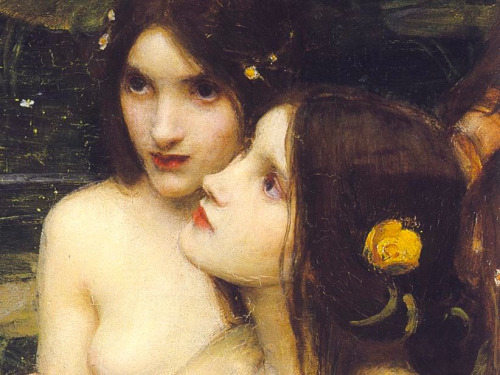
I am drawn to Keats’ romantic portrait of anguish, longing, melancholy, and regret because these feelings—very human and relatable ones—are endowed with great beauty, like a well-executed, melodramatic painting of a man who, because of his suffering soul and inevitable mortality, is clutching his chest in pain, eyes squeezed tight, weeping soundlessly. This is precisely what I envision upon entering Keats’ realm of meadows, rivers, mossy ways, musk-roses, dryads and melodious aves. Nowhere is this world more apparent or romantically depicted than in “Ode to a Nightingale”. A case can be made for “La Belle Dame sans Merci”, but the former is unsurpassable. 
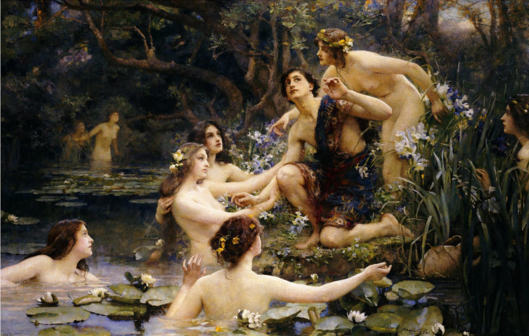
nymphs.png

‘Oh, dear reader, this is just my cup of tea!’ is too mild a phrase to capture the way dreamy descriptions of nature and apt depictions of mood, entwined with place, ignites my flammable soul the way fire does gasoline, speeds up my heartbeat and calms by mind like ecstasy and heroin rolled into one. So, reader, believe me when I say such literary accomplishments are to me the elixir of life, rare, utterly delectable, fatally addictive and usually (thankfully) only found in small doses: one sentence in a passage, one passage in a chapter, one poem in a collection. They say love is a drug. So is literature (and all of art, for that matter). 

And it gets better: the poem’s subject matter is even more poignant than its mood and setting. The titular nightingale is the star of the poem and, more importantly, the catalyst for the poet’s anguished cries. He is deeply moved by this winged songstress of the woods, so much so that its music has become divine in his ears while the bird itself assumed immortality in his mind. In comparison, he realises, he himself remains hopelessly mortal, another human bound for death. Thus he laments the transience of life, namely the inevitability of old age, illness, and death, along with the fleeting nature of beauty, doomed to fade; he even contemplates dying an easeful, self-indulgent death while being serenaded by the nightingale:

Darkling I listen; and, for many a time                                                                                                      I have been half in love with easeful Death,                                                                                    Call’d him soft names in may a mused rhyme,                                                                                    To take into the air my quiet breath;                                                                                                    Now more than ever seems it rich to die,                                                                                                To cease upon the midnight with no pain,                                                                                       While thou art pouring forth thy soul abroad                                                                                              In such as ecstasy!
Continue reading →

Share this:

  • Click to share on X (Opens in new window) X
  • Click to share on Facebook (Opens in new window) Facebook
Like Loading...
Newer posts →
Follow the rose garden on WordPress.com

Categories

Archives

Visitors

  • 11,699 came & smelt the roses

Top Posts & Pages

  • Sorry
  • Meatier than wursts: big long German words
  • Max Errman, "Desperata: Prose for a Way Out of Life"
  • An afternoon's worth
  • Vincent
  • Elegy for Charlie
  • DIY or die 
  • Prettier in purple
  • Eyes
  • A letter to James Dean on sensitivity, introversion, & metaphysical relationships

Blog at WordPress.com.

  • Subscribe Subscribed
    • the rose garden
    • Join 87 other subscribers
    • Already have a WordPress.com account? Log in now.
    • the rose garden
    • Subscribe Subscribed
    • Sign up
    • Log in
    • Report this content
    • View site in Reader
    • Manage subscriptions
    • Collapse this bar
 

Loading Comments...
 

    %d