Tags
aesthetics, animals, animation, art, Beauty, cartoon, colours, creative, food, pokemon, writer, writing

Boh, Rattata, taro milk tea: what has a Ghibli character, Pokémon, and Taiwanese drink got in common? Continue reading
19 Tuesday Jul 2016
15 Sunday May 2016
Posted in Beauty
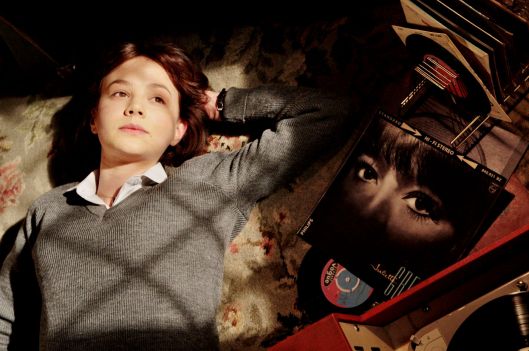
Le français est beau: French is beautiful. This subjective statement is almost an universally accepted truth in a world where revelation that something (the stylish bag you bought in Paris) or someone (that cute guy over there) is French is guaranteed to be met with an ‘ooh’ and a knowing smirk.
Oh, yes, indeed! How Frenchy, how chic, how cultured and sophisticated the French thing/person is! This is, of course, due to the enormous amount of cultural capital attached to words like ‘French’, ‘France’, ‘Paris’, or ‘Parisian’ as a result of the country’s longstanding influence on culture, art, and design in every form, from priceless paintings in the Louvre to how luxury cosmetic products are packaged and advertised. Continue reading
21 Monday Mar 2016
Posted in Beauty
Tags
Beauty, f scott fitzgerald, john keats, literature, love, ode to a nightingale, poem, poetry, prose, romanticism, writing

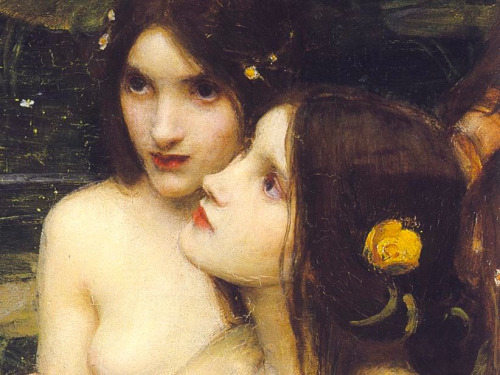
Good poetry speaks for itself. What is there to say about John Keats’ “Ode to a Nightingale” that hasn’t already been said, by generations of scholars, writers, readers? Very little. So, instead of launching into a serious academic essay, I will elaborate on the personal significance of this well-known and loved Keatsian masterpiece.
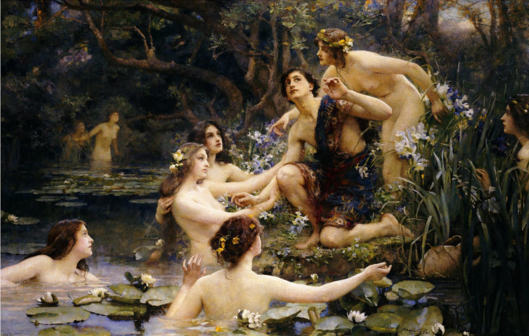
I am drawn to Keats’ romantic portrait of anguish, longing, melancholy, and regret because these feelings—very human and relatable ones—are endowed with great beauty, like a well-executed, melodramatic painting of a man who, because of his suffering soul and inevitable mortality, is clutching his chest in pain, eyes squeezed tight, weeping soundlessly. This is precisely what I envision upon entering Keats’ realm of meadows, rivers, mossy ways, musk-roses, dryads and melodious aves. Nowhere is this world more apparent or romantically depicted than in “Ode to a Nightingale”. A case can be made for “La Belle Dame sans Merci”, but the former is unsurpassable.
‘Oh, dear reader, this is just my cup of tea!’ is too mild a phrase to capture the way dreamy descriptions of nature and apt depictions of mood, entwined with place, ignites my flammable soul the way fire does gasoline, speeds up my heartbeat and calms by mind like ecstasy and heroin rolled into one. So, reader, believe me when I say such literary accomplishments are to me the elixir of life, rare, utterly delectable, fatally addictive and usually (thankfully) only found in small doses: one sentence in a passage, one passage in a chapter, one poem in a collection. They say love is a drug. So is literature (and all of art, for that matter).
And it gets better: the poem’s subject matter is even more poignant than its mood and setting. The titular nightingale is the star of the poem and, more importantly, the catalyst for the poet’s anguished cries. He is deeply moved by this winged songstress of the woods, so much so that its music has become divine in his ears while the bird itself assumed immortality in his mind. In comparison, he realises, he himself remains hopelessly mortal, another human bound for death. Thus he laments the transience of life, namely the inevitability of old age, illness, and death, along with the fleeting nature of beauty, doomed to fade; he even contemplates dying an easeful, self-indulgent death while being serenaded by the nightingale:
Darkling I listen; and, for many a time I have been half in love with easeful Death, Call’d him soft names in may a mused rhyme, To take into the air my quiet breath; Now more than ever seems it rich to die, To cease upon the midnight with no pain, While thou art pouring forth thy soul abroad In such as ecstasy!
 the rose garden